

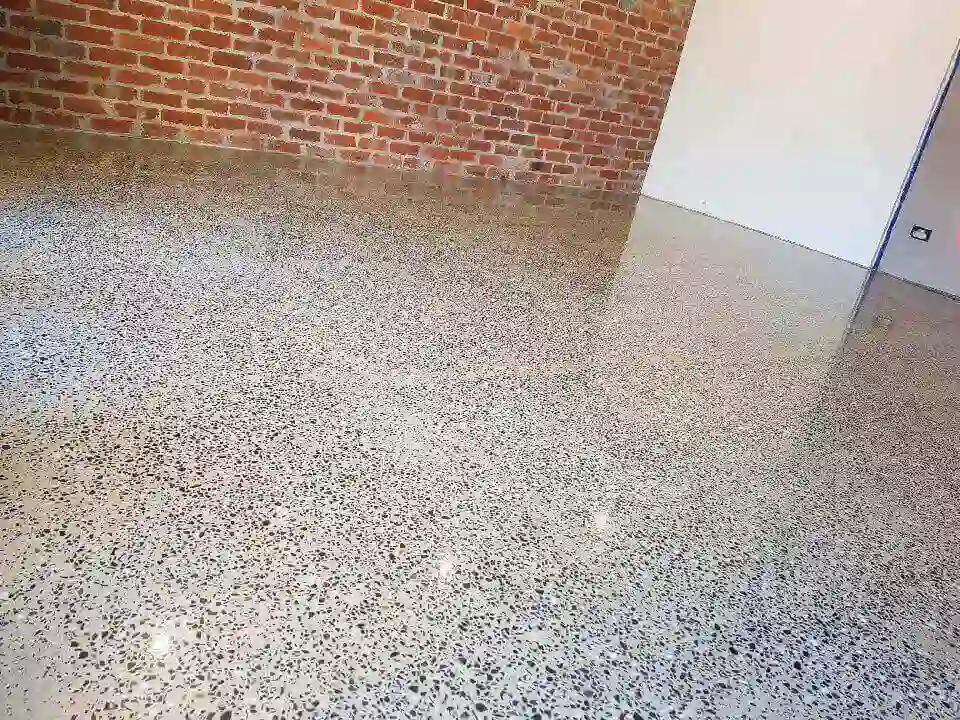
Is Outdoor Polished Concrete Suitable for Melbourne’s Climate Conditions?
Melbourne is known for its changeable weather, which we call “four seasons in one day”. One day it’s scorching hot, and the next day it’s raining cats and dogs. There’s even a cool wind blowing around dinner time. For people who own or run a business with outdoor space to floor, such variability raises a pertinent question: Does polished concrete really hold up to the Melbourne climate?
In short, the answer is yes. Outdoor polished concrete is definitely one of the most practical and durable choices for homes and buildings in Melbourne, as long as it is properly installed and finished. It can withstand temperature and humidity variations and heavy daily use while looking sleek and stylish and appropriate for both homes and workplaces.
What Is Polished Concrete?
Polished concrete is done by using machinery with diamond bits that grind a slab of concrete. It ranges from a smooth finish to various degrees of exposure, depending on the desired finish. A densifier is then applied to harden the surface, followed by sealing to protect against moisture and stains.
Unlike other options such as coatings or tile, polished concrete makes use of the existing slab as the completed floor surface. This means that it is unlikely to peel, lift, or crack over time. In return, it creates a seamless surface that has a stone-like appearance but can also be customised with different textures and reflectances.
When it is for outdoor use, a slight modification is made to the process, which is advantageous for Melbourne’s wet, hot, and cool conditions.
Common Types of Concrete Flooring Options
There are several finishes available depending on the look and performance you want from your concrete floor.
1. Polished (General)
General polished concrete is the most recognisable finish. It has a smooth, refined appearance and can range from a matte look to a high-gloss sheen. For outdoor use, the finish is usually kept at a lower sheen and treated with slip-resistant sealers to improve safety during wet weather.
This option is popular for patios, driveways, and entertaining areas because it blends durability with visual appeal.
2. Burnished Concrete
Burnished concrete involves smoothing the surface by means of polishing machines without any grinding. This creates a subtle sheen but does not show much aggregate.
Although the burnished concrete works well in indoor spaces, it is not used much in Melbourne’s outdoors, aside from the issue of a lack of texture and grip offered when compared to honed or polished finishes. The material becomes slippery when wet unless additional coatings are used.
3. Honed Concrete
Honed finishes can be considered to fall between raw and polished finishes. In other words, while the surface is smooth, it does not have a glossy look, only a matte finish. As such, it is appropriate for outdoor use because of the slip-resistance factor.
Honed concrete is commonly used around areas like pool environments, verandahs, and garden paths because of its soft appearance.
Polished Concrete Floors vs Polished Concrete Tiles: What’s the Difference?
At first glance, polished concrete floors and polished concrete tiles can look similar. However, there are important differences in performance and longevity.
Polished concrete floors are created from a single concrete slab. Grout lines and joints between tiles are absent, and there are only a few weak points for water to penetrate. This characteristic makes them highly resistant to cracking, moving, and damage by moisture. Such durability is a big advantage because of Melbourne’s temperature changes.
Polished concrete tiles, on the other hand, have individual tiles placed on top of a substrate. However, these have the disadvantage of stained grout lines and loose tiles cracking over time because of the movement of the ground or changes in the weather.
Therefore, for outdoor floors exposed to rain and temperature changes, a smooth finish of polished concrete seems to be more beneficial.
Top 5 Outdoor Areas Suited for Polished Concrete Flooring
Polished concrete is not limited to indoor use. It can be used in various outdoor applications.
1. Driveway
The driveway is prone to damage due to cars, human traffic, oil, and the elements. Polished concrete is durable and will not crack. In addition, it provides a luxurious look to the driveway, which in turn enhances the beauty of the house.
With the right sealer and texture, it remains safe underfoot even during Melbourne’s wet winter months.
2. Verandah
The polished concrete verandah provides a pleasing flow between interior and exterior spaces. It works well in rain and heat without warping or rotting, as timber decking can.
Its streamlined finish also makes it ideal for both traditional and modern home decor, making it suitable for houses in Melbourne.
3. Garage
Garages are exposed to oil spills, tyre marks, and heavy equipment. Polished concrete is ideal here because it’s resistant to stains and simple to maintain. A sealed surface prevents moisture from soaking into the slab, reducing long-term damage caused by damp conditions.
4. Home Entrance
First impressions matter. A polished concrete entrance offers a strong, stylish welcome to visitors. It’s durable enough to handle constant foot traffic, and it can be customised with decorative aggregates or subtle colour tones to complement your home’s exterior.
5. Pool
Around pools, safety and moisture resistance are essential. Honed or lightly polished concrete with slip-resistant treatments works well in these areas. It doesn’t splinter like timber or become uneven like pavers, and it copes well with water exposure and heat.
Frequently Asked Questions (FAQs)
What is outdoor polished concrete and how durable is it?
Outdoor polished concrete is concrete that has been ground, densified, and sealed specifically for external use. It is extremely durable and can last decades when properly installed. It resists cracking, surface wear, and weather damage far better than many traditional outdoor flooring materials.
Is polished concrete suitable for outdoor areas?
Yes, polished concrete is well suited for outdoor spaces such as driveways, patios, and pool surrounds. With the correct finish and sealers, it offers slip resistance, moisture protection, and long-term performance in Melbourne’s varied climate.
Is outdoor polished concrete low maintenance?
One of its biggest advantages is low maintenance. Regular sweeping and occasional washing with mild detergent is usually all that’s required. Unlike tiles or pavers, there are no grout lines to scrub or weeds to remove.
Does outdoor polished concrete handle weather extremes well?
Melbourne’s weather can swing from hot to cold quickly. Polished concrete handles these changes effectively because it expands and contracts as a single slab rather than in separate sections. Sealers protect it from water penetration, helping prevent surface damage during heavy rain and cooler months.
What finishes are available for outdoor polished concrete?
Outdoor polished concrete can be finished in a range of styles, from matte and honed surfaces to lightly polished textures. Aggregate exposure can be minimal or more pronounced, depending on the look you want. Slip-resistant additives and protective sealers can also be applied for extra safety and durability.

0 comments
Write a comment