

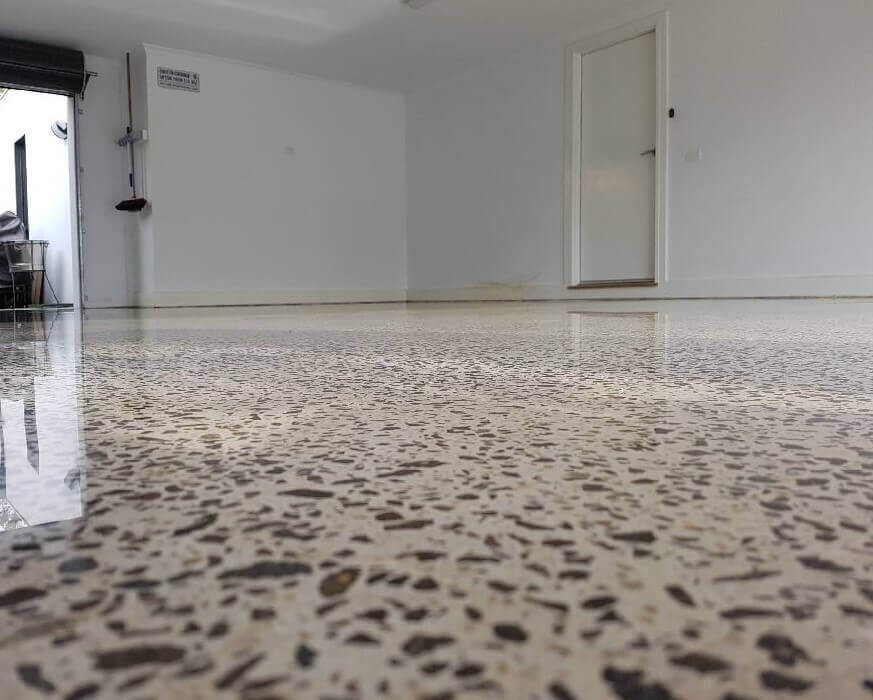
What Is Concrete Resurfacing and How Does It Work?
Concrete driveways take immense amounts of wear and tear. Cars roll over the driveway every day, garden furniture gets dragged across the patio, and the sun and rain slowly take their toll. After a few years, the concrete may look tired with faded patches, stains and small cracks. If the concrete underneath is still in good shape, resurfacing may be worth considering. It involves applying a fresh layer over the existing surface rather than breaking everything up and starting again.
The result can give an old driveway, path or patio a cleaner look without the disruption of a full replacement. The catch is that the original concrete needs to be suitable for resurfacing. A new layer of concrete will not fix a slab that is badly damaged or still moving.
How Does Concrete Resurfacing Work?
What is concrete resurfacing? The process starts with the concrete itself, not the new coating. A good finish depends on what is already there and how well the surface is prepared. Skipping steps or rushing the work can lead to problems later.
Inspecting the Existing Concrete
Before choosing a resurfacing product, the contractor needs to check the slab. Are there just a few surface marks, or are whole sections cracked and uneven? Is the concrete firm underfoot, or are parts sinking or breaking away? The contractors should also look for signs of moisture and consider how water drains across the area. It is better to find these problems before work starts than to cover them with a fresh finish and discover them again a few months later.
Cleaning and Preparing the Surface
Concrete collects more than dust. Driveways can have oil stains and tyre marks, while patios may have dirt, grease or traces of old coatings. If these remain on the surface, the new material may not stick properly. The concrete needs a thorough clean. The preparation method will depend on its condition. This might involve pressure washing, grinding or removing loose material. Any old coating that could interfere with bonding may also need to come off. This can make a real difference. A resurfacing compound needs a sound, properly prepared surface to hold up over time.
Repairing Cracks and Surface Defects
Small holes, chips and suitable cracks can often be repaired before the new layer is applied. The contractor fills the damaged areas with a compatible repair material and prepares them for resurfacing. A crack caused by ongoing movement is different from a small surface crack. If the slab continues to shift, the crack may show through the new finish. Large cracks, sunken sections and badly damaged concrete need closer attention. In some cases, repairing the slab or replacing it altogether will make more sense than resurfacing.
Applying the Concrete Resurfacing Compound
Once the concrete is clean and the repairs are complete, the surfacing compound can be applied. It is mixed and spread according to the product instructions, forming a new layer over the existing slab. A driveway needs a system that can handle vehicles, while a garden path or patio may have different requirements. The intended thickness, surface condition and weather also affect how the materials should be applied. The contractors must work within the products’ recommended application conditions. Applying the compound too thickly, mixing it incorrectly or working in unsuitable weather can affect the finished result.
Adding the Desired Texture or Finish
Depending on the system used, the finish may be plain or coloured, patterned, or textured. A simple finish might suit a side path, while a homeowner updating an older patio may prefer something more decorative. There is no need to choose the most elaborate option; the finish should suit the property and how the space is used. Think about safety as well as appearance. Outdoor concrete gets wet, so grip matters around entrances, paths and entertaining areas. Ask the contractor to explain how the available finishes perform in wet conditions before making a choice.
Allowing the Surface to Cure
After application, new surfaces need time to cure. They may look ready but are not, so avoid walking or driving on the surface. The waiting time depends on the product, the weather and the thickness of the layer. Foot traffic and vehicles may also have different clearance times. Your contractor should tell you when the areas can be used again and whether they need protection while curing. Following those instructions is much cheaper than trying to repair marks or damage caused by using the surface too early.
What Are the Benefits of Concrete Resurfacing?
The biggest attraction is that you can improve the look of existing concrete without removing the entire slab. If the base is sound, there may be no need for demolition, a skip bin full of broken concrete or a completely new pour. Resurfacing can also give a worn area a more consistent appearance. Faded concrete, minor surface damage and old stains can make a driveway look untidy even when the slab is still usable. A finish can change the look of the space without major construction work.
There may be a cost advantage too because the existing slab stays in place. The final process still depends on preparation, repairs, the chosen finish and the size of the area, so resurfacing is not automatically the cheaper option in every case.
Concrete Resurfacing vs Concrete Replacement
The choice comes down to the condition of the concrete and what needs to be fixed. With resurfacing, the existing slab remains in place. The contractor prepares it, repairs suitable defects and applies a new surface layer. This can work well for concrete that looks worn but is still stable. Replacement is a bigger job. The old slab is broken up and removed, the base is prepared, and new concrete is poured. This may be necessary if the slab has major cracks, significant movement or sections that have sunk badly.
Resurfacing usually involves less demolition, but it cannot solve every underlying problem. Replacement takes more work, but it may be the sensible option when the original slab has reached the end of its useful life. Ask for an honest assessment before deciding. Paying for resurfacing is poor value if the slab needs replacing anyway.
How to Maintain a Resurfaced Concrete Surface
A resurfaced driveway or patio does not need complicated care, but it should not be ignored. Sweep away leaves, grit and dirt regularly. For a more thorough clean, use water and a cleaning product suitable for the finish. Avoid strong chemicals or abrasive methods unless the manufacturer says they are safe to use. Driveways deserve a little extra attention. Oil, fuel and other vehicle-related spills can mark the surface, so clean them up promptly using the recommended method. On patios, deal with food and drink spills before they leave stains.
Also, watch what happens when it rains. Water should drain away rather than sit in puddles for long periods of time. Persistent pooling may point to a drainage or levelling issue that needs attention.
Common Concrete Resurfacing Problems and How to Avoid Them
A resurfaced surface can look good initially and still develop problems if the slab was not done properly. Knowing what can go wrong helps you ask better questions before the job begins.
Peeling or Delamination
Peeling is what happens when the new layer separates from the concrete underneath. The edges may lift, or patches may come away. Poor cleaning, leftover coatings, weak concrete or incorrect applications can all contribute. The best way to reduce the risk is to prepare the surface properly and use a product suited to the slab. Simply applying another layer over a peeling finish will not address the original cause.
Cracking After Application
A fresh finish can crack if the concrete underneath moves. It can happen if existing cracks are not dealt with properly. Incorrect application and poor curing conditions may also have a hand. Before work begins, the contractors should explain how existing cracks will be taken care of. If the slab has serious movement or structural damage, resurfacing may not be the appropriate solution.
Uneven Colour or Finish
Patchy colour or differences in texture can make the finished area look inconsistent. This can happen when the material is mixed or applied unevenly or when conditions change during the job. Discuss the expected finish before the work starts. This is a must, especially when colour consistency matters. Following the product instructions and using a consistent application method can help. The final appearance may vary slightly with lighting and surface conditions.
Premature Surface Wear
A resurfaced area may wear quickly if the product is not suited to the amount of traffic it receives. A finish designed for a garden path, for example, may not be appropriate for a driveway used by several vehicles every day. Be clear about how the area will be used when choosing the product. Proper curing and routine maintenance also help the finish hold up as intended.
Poor Drainage or Water Pooling
A new surface will not automatically fix low spots in the original slab. If the water is already collecting in certain areas, it is likely to continue to do so after resurfacing. Drainage needs to be checked before the work begins. Where water is not flowing away properly, the underlying issue should be addressed rather than covered with a new layer.
Frequently Asked Questions (FAQs)
What is concrete resurfacing used for?
Concrete resurfacing is used to improve worn or tired-looking concrete. The idea is not to replace the whole slab. Common areas include driveways, patios, paths and other suitable concrete surfaces. It can improve the appearance of minor surface damage, but it is not a fix for every structural problem.
Can concrete be resurfaced without removing the existing slab?
Yes. The existing concrete slab stays in place provided it is stable. It must be suitable for the chosen resurfacing system. If the concrete is badly damaged, has sunk or may continue moving, repairs or replacing it may be needed instead.
How long does concrete resurfacing last?
The lifespan depends on the product, preparation, workmanship, traffic, weather exposure and maintenance. A driveway that carries vehicles every day will face different demands from a sheltered patio. Your contractors can explain what to expect from the particular system being installed.
Can cracked concrete be resurfaced?
Sometimes. Small cracks may be repaired before resurfacing. But cracks caused by ongoing movement can return through the new layer. The cause and severity of the damage should be checked before deciding whether surfacing is suitable.
Is concrete resurfacing suitable for driveways?
Yes, provided the existing slab is sound, and the resurfacing product is designed to handle vehicle traffic. The finish also needs suitable grip and proper drainage. A contractor can assess the driveway and recommend an option that suits its condition and everyday use

0 comments
Write a comment