

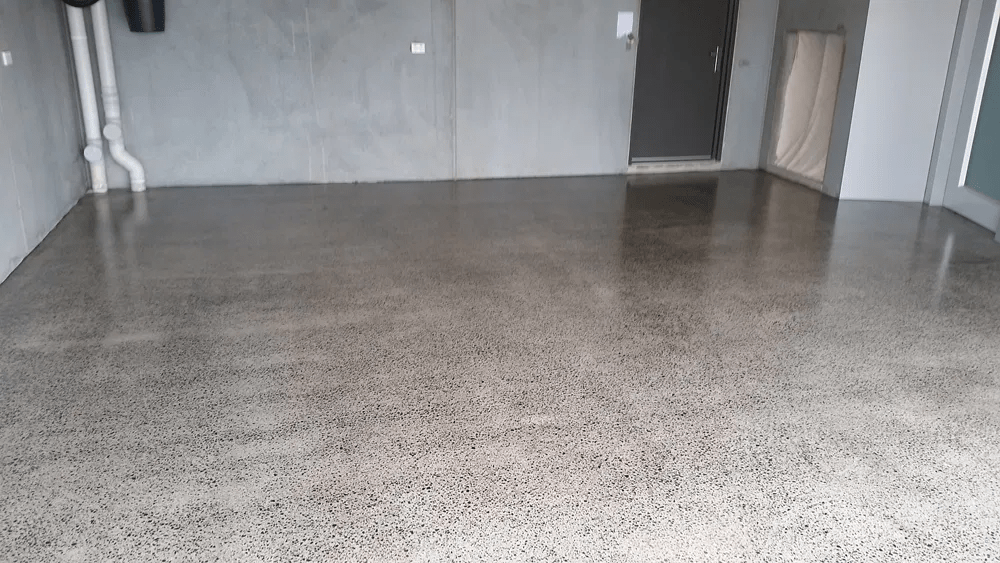
How to Grind Concrete Floors for a Smooth Professional Finish
Concrete grinding is a method that removes surface imperfections, reduces uneven areas, and creates a smooth, clean finish. This step prepares a floor for polishing, coating, or other treatments. At GrindWorks, we offer quality grinding and sealing services at cost-effective rates. Learn more about how the process works.
What Concrete Grinding Does
Concrete grinding prepares the floor surface by removing unevenness, surface contaminants, old coatings, paint, adhesive residue, and minor surface defects. It can also expose the aggregate within the concrete, depending on how deeply the floor is ground and the desired finish.
Surface Levelling
Concrete grinding helps correct minor unevenness and surface irregularities, creating a more consistent and level floor. By removing high spots, rough patches and other imperfections, grinding can improve the overall flatness of the surface. This is especially useful when preparing floors for new flooring systems, coatings, or polished finishes that require a stable and uniform base.
Coating Preparation
Grinding is also important when preparing concrete for coatings such as epoxy, polyurethane, or other protective systems. It removes contaminants, old coatings, and weak surface materials while creating a textured profile that helps the new coating bond effectively to the concrete. Proper preparation can also help prevent peeling, bubbling, and premature coating failure.
Tools and Safety Gear for Grinding Concrete
Concrete grinding requires the right tools and safety gear to achieve a consistent finish while reducing exposure to dust, noise, and flying debris. The tools and protective equipment needed include the following:
Grinder Options
There are several grinder options used in concrete grinding. The options include small handheld tools for detailed work and large floor grinders and planetary machines for bigger projects.
- Handheld grinders are used for smaller areas, edges, corners, and hard-to-reach sections. They offer greater control and are usually used alongside larger floor grinders.
- Floor grinders are suitable for large commercial or industrial spaces. They can cover more floor area than hand-held grinders and are commonly used for extensive surface preparation.
- Planetary concrete grinders use multiple diamond grinding heads to cover larger areas. Their balanced designs make them suitable for larger floors where a consistent finish is important.
- Single-disc floor grinders are suitable for small- to medium-sized floors and general surface preparation.
Diamond Tooling
Diamond tooling is a key component of concrete grinding equipment. Diamond segments or discs are designed to efficiently cut and abrade concrete, helping remove surface imperfections, coatings, and other unwanted materials. There are several types of diamond tooling used in concrete grinding:
- Metal Bond Diamonds: They are used for coarse grinding, removing surface irregularities, and opening the concrete surface.
- Diamond Cup Wheels: They are designed for use with handheld angle grinders and small surface patches.
- Transition and Hybrid Tools: These tools are used after metal-bond diamond grinding to remove deep scratches and as the final step before polishing the floor.
Dust Control
Concrete grinding generates large amounts of fine dust. Hazardous silica dust is one of the common waste products of the process, making essential tools important for dust control.
- Industrial Dust Extractors: These tools can be directly connected to concrete grinders to capture dust as it is produced. They provide effective filtration and dust control in a concrete grinding setup.
- HEPA Filtration: It helps capture very fine particles and can capture 99.97% of 0.3-micron silica.
- Respiratory Protection: Suitable respiratory protective equipment is required to protect the operators and maintain workplace safety.
How to Grind Concrete: Step-by-Step Process
Concrete grinding smooths uneven flooring surfaces, removes coatings, and prepares them for other finishes. The process involves using a concrete grinder fitted with diamond tooling to gradually refine the surface.
Prepare the Slab
The first step involves cleaning the work area and inspecting the concrete slab for cracks, coatings, adhesives, debris, and uneven sections. Along with this, if there are any other necessary repairs that must be conducted before grinding, the contractors work on that as well.
Choose the Starting Grit
The right diamond grit is important for a desirable finish. Contractors generally start with a coarser grit to prepare the surface during the initial stage of grinding and to remove imperfections. Later, finer grits are used to give the surface finishing touches.
Grind in Passes
The experts work systematically across the slab using controlled, overlapping passes. The grind is kept at a consistent speed to avoid creating uneven areas or excessive grinding marks.
Once the initial pass is complete, the experts then progressively move to finer diamond grits as required to achieve the desired surface profile and finish.
Clean and Inspect
After grinding, loose dust and debris are removed from the surface using appropriate extraction and cleaning equipment. The contractors also inspect the slab carefully to remove high spots, scratches, coatings, or areas that have not been ground evenly. If they find any problem areas, rework is performed before moving on to polishing, coating, and other finishing stages.
When to Hire a Professional Concrete Grinder
Professional concrete grinding is always the superior choice if you want smooth finishes and long-lasting results. You may choose a local, inexperienced contractor for the task at a much lower cost. But remember that the results may not be desirable.
Large or Uneven Floors
Large uneven floors can be difficult to grind evenly using basic equipment. Professional concrete grinders can handle the expansive areas more efficiently and help address high spots, surface irregularities, and inconsistent sections. For commercial, industrial, and other large-scale flooring protection, where a uniform surface is extremely important, a professional concrete grinder is important.
Grind and Seal Finishes
Removing existing sealers, coatings, or other surface finishes can require the right diamond tools and grinding techniques. Professionals can assess the existing finish and select suitable equipment to remove it without unnecessarily damaging the underlying concrete. Professional grinding can also prepare the surface for a new coating, sealer, or other finish.
At GrindWorks, we help transform your worn, uneven concrete surface into clean, well-prepared floors, ready for their next finish. Our professional concrete grinding services provide an efficient way to remove all the surface imperfections, coatings, and uneven materials while improving the overall condition of the slab. Connect with our team today to transform your concrete floors.
Frequently Asked Questions (FAQs)
Can concrete grinding level uneven floor surfaces?
Concrete grinding can remove high spots, surface irregularities, and minor uneven areas to create a flatter, more consistent floor. However, severely uneven surfaces or major changes in floor level may require additional concrete repairs or levelling methods.
How do you prepare concrete before grinding?
Start by clearing the area of furniture, dirt, coatings, and loose debris. Inspect the concrete for cracks, joints, damage, or contaminants, and repair major defects where necessary. The surface should then be cleaned thoroughly so the grinder can work effectively and evenly.
What grit should you use when grinding concrete?
The right grit depends on the condition of the concrete and the desired finish. Coarser diamond grits typically remove imperfections, coatings, or rough surfaces, while finer grits are used to refine and polish the surface. A professional can select the appropriate grit sequence based on the project.
Is concrete grinding suitable for outdoor surfaces?
Concrete grinding can be used on many outdoor surfaces, including patios, walkways, driveways, and other concrete areas. Outdoor projects may require equipment and dust-control methods suited to the environment, as well as consideration of drainage and weather conditions.
How do you achieve a smooth finish after grinding?
A smooth finish is usually achieved by progressing from coarse to increasingly finer diamond grits. Each grinding stage removes scratches left by the previous grit. For a highly refined or polished appearance, you may need additional honing and polishing steps.

0 comments
Write a comment